Otology and Neurotology
Otology and Neurotology at Meraki ENT Hospital
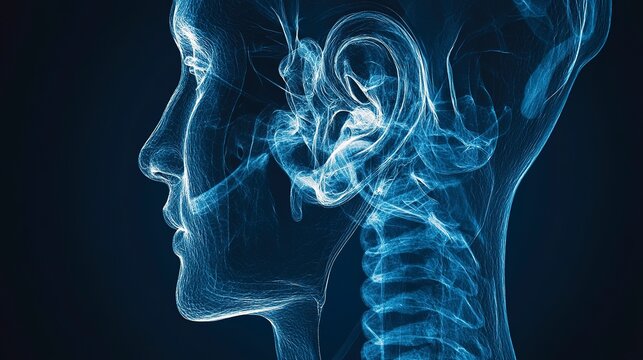
Otology and Neurotology are specialized branches of ENT focused on the ear and related neurological structures. They deal with hearing loss, balance disorders, ear infections, tinnitus, and complex conditions affecting the inner ear and nerves.
At Meraki ENT Hospital, these conditions are evaluated with advanced diagnostic tools. Treatments may include medications, hearing aids, minimally invasive procedures, or surgery to restore hearing, balance, and ear health.
Benefits:
- Restores Hearing & Voice Clarity
- Relieves Pain, Infections & Dizziness
- Removes Tumors & Growths Safely
- Protects Nerve & Brain Function
When Otology & Neurotology is Necessary?
01
Chronic Ear Infections
When infections keep coming back or fluid persists in the middle ear, leading to hearing loss or pain that doesn’t improve with medications.
02
Ear Damage
For permanent hearing loss due to eardrum perforation, ossicle problems, or inner ear damage that cannot be corrected with medicines or hearing aids.
03
Growths in the Ear
Surgery is needed to remove benign or malignant tumors that affect hearing, balance, or nearby nerves.
04
Skull Base Complications
Conditions that threaten the facial nerve, auditory nerve, or brain structures require surgical intervention to prevent serious complications.
Why Choose Us
Delivering Trusted ENT Care with Advanced Solutions
We offer exceptional care and advanced treatment solutions that set us apart, ensuring the best outcomes and a comfortable experience for every patient.
Expert ENT
Specialists
Skilled doctors ensuring safe, accurate care.
Safe & Hygienic
Care
Strict hygiene standards for patient safety.
Advanced Equipment
Modern tools for quick and painless wax removal.
Quick
Relief
Fast and effective treatment with immediate results.
FAQ'S
Need Answers? We’re Here to Help
Find answers to common questions about ear and skull-base disorders, including hearing and balance problems, their causes, symptoms, treatments, and recovery to help you maintain healthy hearing, balance, and nerve function.
Chronic ear infections, hearing loss, tinnitus, vertigo, and tumors of the ear or skull base.
Hearing loss, ear pain, dizziness, ringing in the ears, facial weakness, or persistent ear discharge.
Surgical options include ear reconstruction, tumor removal, cochlear implants, and balance disorder correction.
Recovery varies by procedure but usually involves follow-ups, temporary lifestyle adjustments, and gradual return to normal hearing and balance function.